New Mexico Anti-nicotine services disrupted as funding dries up

This Issue underscores shortcomings in how NM pays for its efforts.

BY DAN MCKAY JOURNAL CAPITOL BUREAU SANTA FE — Quitting is never easy.

But New Mexicans planning to give up tobacco or nicotine may have more trouble finding help this summer.

The state’s contract for the 1-800-QUIT-NOW line ended June 30, and it wasn’t accepting new clients this month.

Earlier this year the state Department of Health abruptly canceled about $741,000 in funding to groups that help people quit smoking — or never start — after revenue from a settlement fund failed to reach expectations.

The disruption in funding underscores long standing shortcomings in how New Mexico pays for much of its anti-nicotine efforts.

Legal settlements with tobacco companies provide funding. But the state has failed to grow an endowment like permanent fund as planned, leaving New Mexico with a less-stable funding stream for nicotine prevention.

This year’s cuts are drawing renewed attention from legislators who say the explosion in vaping among young people makes it all the more important to spend on prevention.

“It’s absolutely critical these programs have continuity,” state Rep. Joanne Ferrary, D-Las Cruces, said in an interview.

State health officials say they are doing the best they can amid a shortfall in New Mexico’s tobacco settlement funds.

Jodi McGinnis Porter, a spokeswoman for the Department of Health, said the state made it a priority to maintain the most essential services for nicotine addiction treatment when the funding came in below projections.

But she acknowledged the state’s Nicotine Use Prevention and Control Program suspended some services — largely marketing and education, she said — to handle the $741,000 reduction in funding.

The department “is looking for other funding sources to support NUPAC in the future,” McGinnis Porter said. ‘Disheartening’

Alex Ross-Reed, executive director of the Health Equity Alliance for LGBTQ+ New Mexicans, or HEAL Plus NM, described the budget cut as “shocking.”

After 20 years of state funding, her organization received an email May 3 directing her to stop work on anti-tobacco services.

“It’s brutal for our organization,” Ross-Reed said in an interview.

Nicotine prevention funding had made up 60% of the organization’s operating budget, she said, helping to fund a directory of behavioral health care providers who are LGBTQ-friendly and other efforts to help people quit tobacco.

The order to stop work, she said, came after HEAL Plus NM had ordered $5,000 in supplies. The organization, she added, wasn’t reimbursed.

Laurel McCloskey, executive director of the Chronic Disease Prevention Council, said her group postponed its annual tobacco policy summit after its state funding was halted.

The disruption in revenue makes it more difficult, she said, for anti-tobacco groups to sustain their work.

“It’s just super disheartening,” McCloskey said.

Her organization, she said, had received state funding for eight years before it was pulled this year.

Funding trouble

The tobacco funding shortfall comes as New Mexico enjoys an oil-and gas revenue boom that has pushed government spending to a record high.

But most of New Mexico’s tobacco cessation programs are funded through a distinct source: settlements reached with big tobacco companies.

In 2000, the state created a tobacco settlement permanent fund as part of the legal agreements. It was intended to be an endowment- like fund that could make annual distributions to pay for tobacco cessation, treatment and similar programs in New Mexico.

At first, about half the annual settlement cash from the tobacco companies went into the permanent fund, and the other half was put to use immediately on health and treatment programs — a balance between covering immediate needs and building a sustainable funding source for future services.

But it hasn’t worked as planned. Amid a budget crunch after the Great Recession, the state turned to the tobacco permanent fund to help bolster its financial bottomline.

Since 2008, the annual payments from tobacco companies have often been spent on services rather than growing the permanent fund.

It’s left the state with a more volatile source of revenue for tobacco cessation programs than if the permanent fund had been allowed to grow and generate predictable income.

Lawmakers pushed to address the problems this year with legislation, Senate Bill 178, that would have moved the tobacco permanent fund out of the state’s general fund reserves.

It would have allowed the $310 million or so now in the permanent fund to be invested more effectively, supporters say, and helped protect it from being used to cover shortfalls in other operations.

The bill won bipartisan approval in both chambers of the Legislature.

But Democratic Gov. Michelle Lujan Grisham vetoed the legislation without explanation. She didn’t sign it before a constitutional deadline, blocking it from becoming law, a procedure known as a pocket veto.

Rejection of the bill prevented the transfer of about $58 million into the tobacco settlement fund. Budget legislation delivering the injection of funding was contingent on the approval of Senate Bill 178.

A member of the Lujan Grisham administration said the governor didn’t act on the bill, in part, because she wanted more time to evaluate it. The effective date of the legislation was set for July 1 next year, so there’s still time to adopt the bill next year and have it go into effect on the original schedule, the administration official said.

Sen. Martin Hickey, an Albuquerque Democrat who sponsored the bill, said he intends to reintroduce the measure and seek Lujan Grisham’s support.

As a physician, Hickey said, he understands firsthand the value of programs that help people avoid addiction in the first place. Early nicotine use, for example, can prime the brain’s pathways for addiction, he said, underscoring the importance of prevention efforts.

“How often do you have an opportunity to nip that (health issue) in the bud?” he said in an interview.

As it stands now, the American Lung Association gave New Mexico an “F” for funding of tobacco prevention and cessation services. Funding was about 30% of the CDC-recommended level, the association said in a 2023 report.

Preventable death

Cigarette smoking is the leading cause of preventable death in the United States, according to the Centers for Disease Control and Prevention. Smoking is a risk factor for cancer, heart disease, stroke and other problems.

The federal government also describes vaping as unsafe for teens and young adults. Nicotine is addictive and can harm brain development, according to the CDC.

The use of electronic cigarettes, however, is on the rise among students. About 34% of high school students in New Mexico reported using e-cigarettes in 2019, a 10 point increase over a five-year period, according to state data.

Outlook

Lawmakers are preparing to question New Mexico’s top health and finance officials about the funding cut.

Rep. Ferrary, chairwoman of the Legislature’s Tobacco Settlement Revenue Oversight Committee, said the panel has scheduled a public hearing in September to ask about the issue.

For Ross-Reed at Heal Plus NM, the budget cut exacerbates what she already sees as a lopsided fight: The cash available to organizations like hers, she said, is tiny compared to the resources available to tobacco companies offering an addictive product.

“I feel like these budget cuts and these decisions,” Ross-Reed said, “have just cut the legs out of what was already hard to do.”

Drip Tips Week Two

Well it’s week two, actually week three but who’s counting? So I found a few more pics from prior advertising I kept from my retail store days of some more special product from Cherry Vape.

Anyway, here are three more from the new collection since I missed last weeks post.

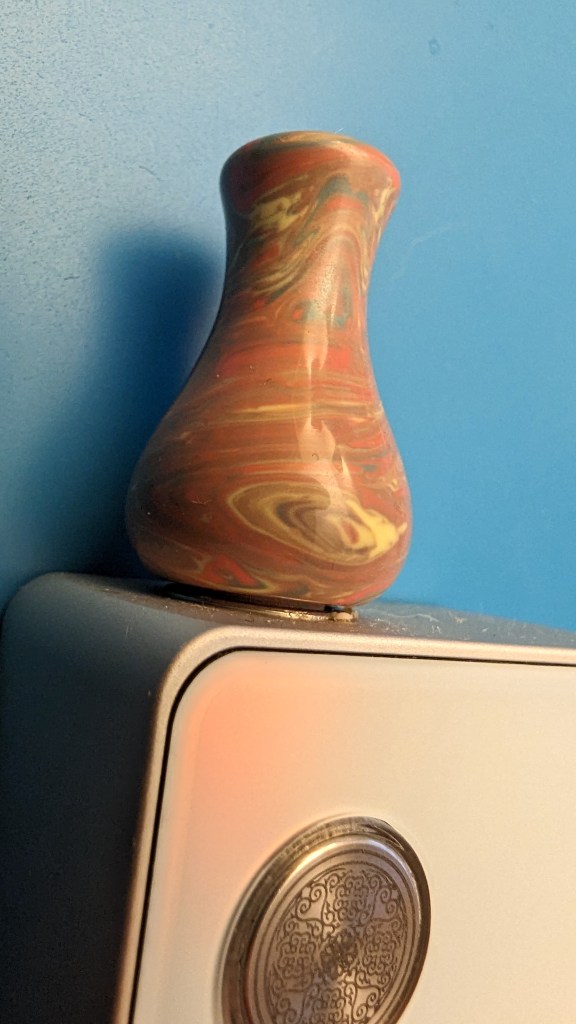
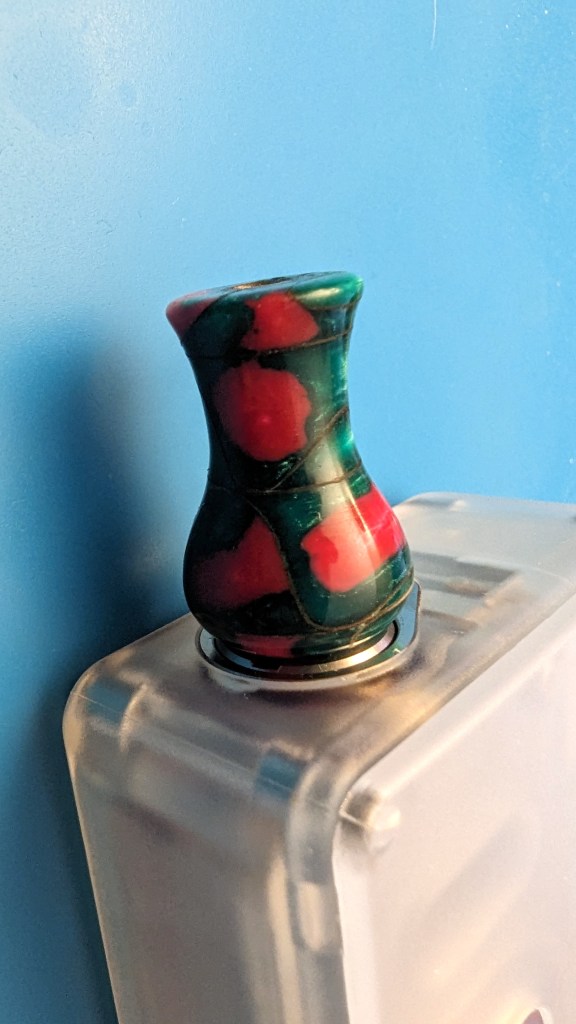
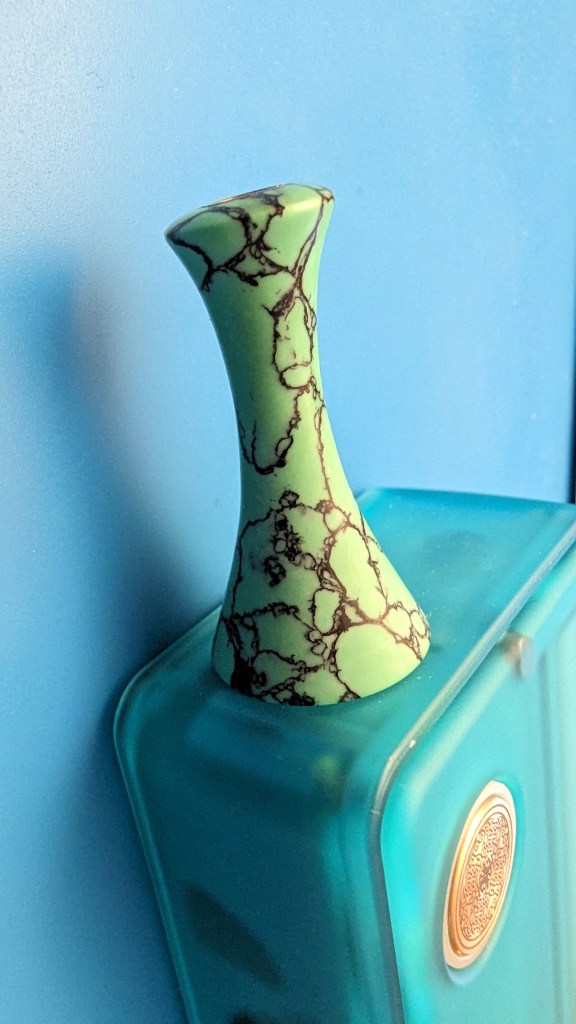
The first tip is a lovely putty color base with a swirling mixture of hot yellow and a mixture of pink and teal. You really can’t see these little variations from a distance except close up. The second one is a bright iridescent green with small grey stripes and what appears to be pink hearts kind of like xmas meets valentines day combined. The third one simply looks like beautiful turquoise stone.

Drip Tips Week One

First, a bit of history. An avid collector of drip tips I am. A few weeks ago I came upon an unbelievable ad on ECF. An older collection of hand turned drip tips turned up. Made by a mysterious fellow named Brett, the owner of a company called Bull Box Mods circa 2014. I had to buy them.

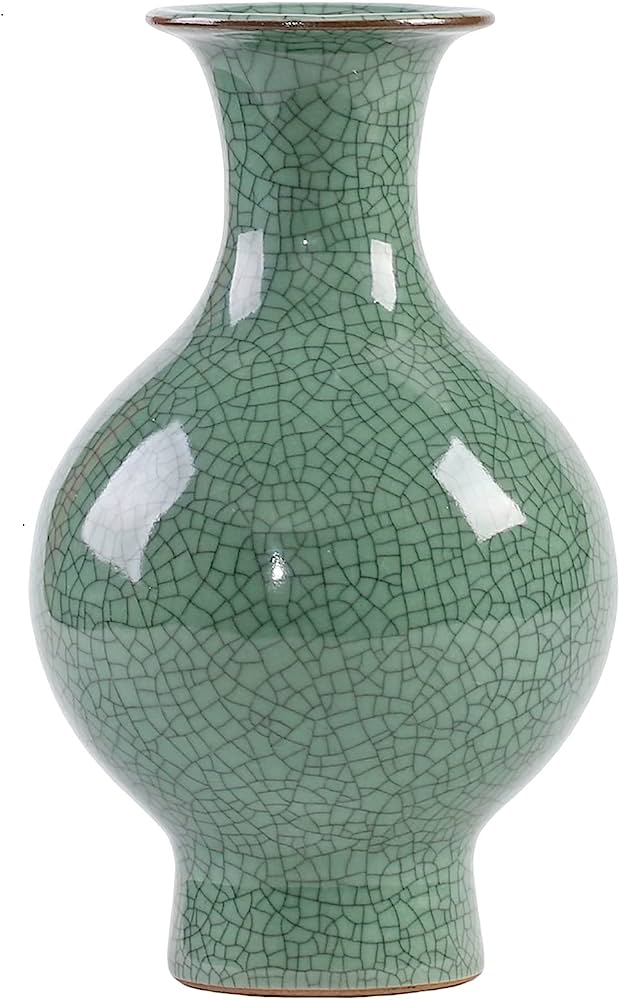
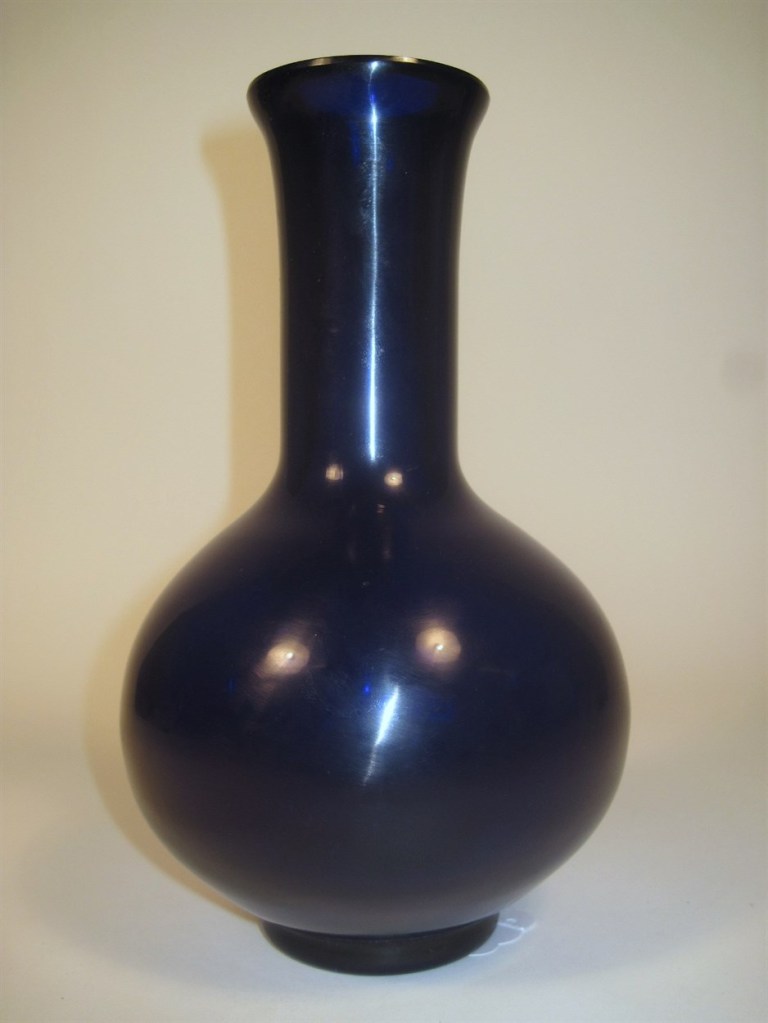
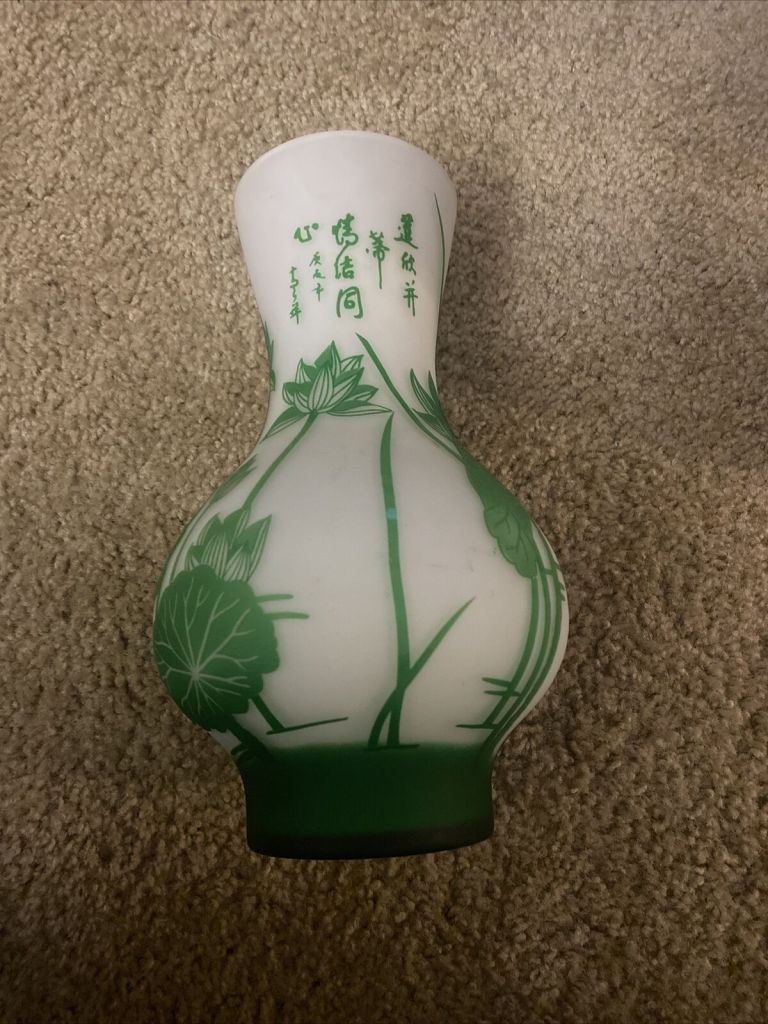
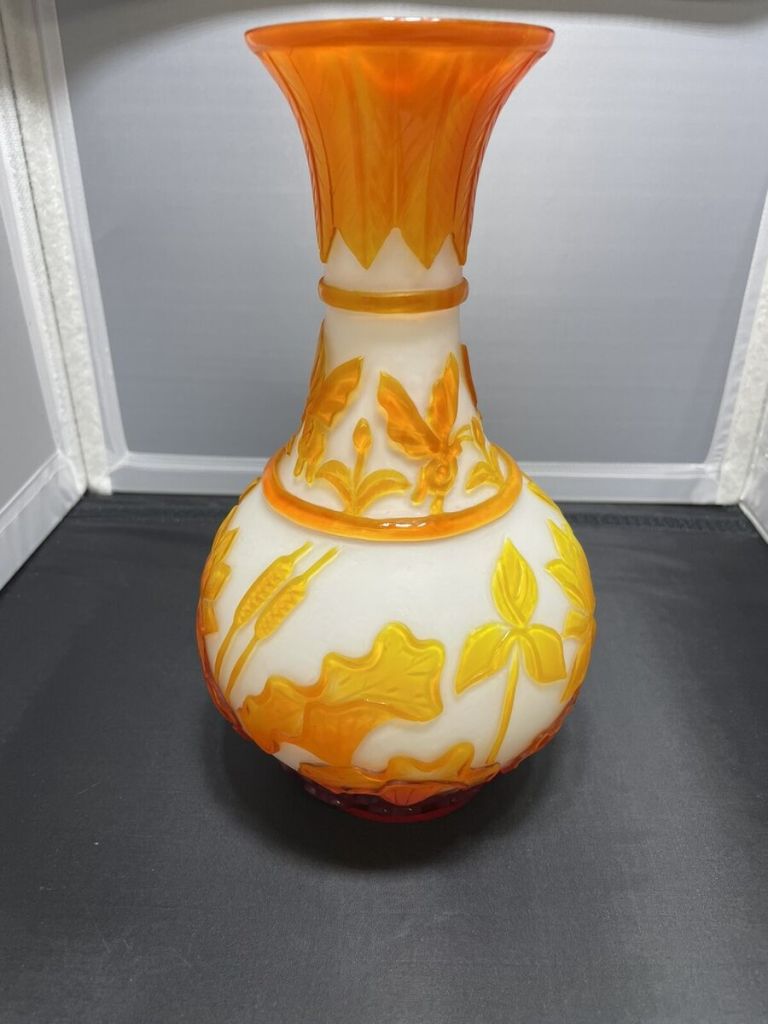
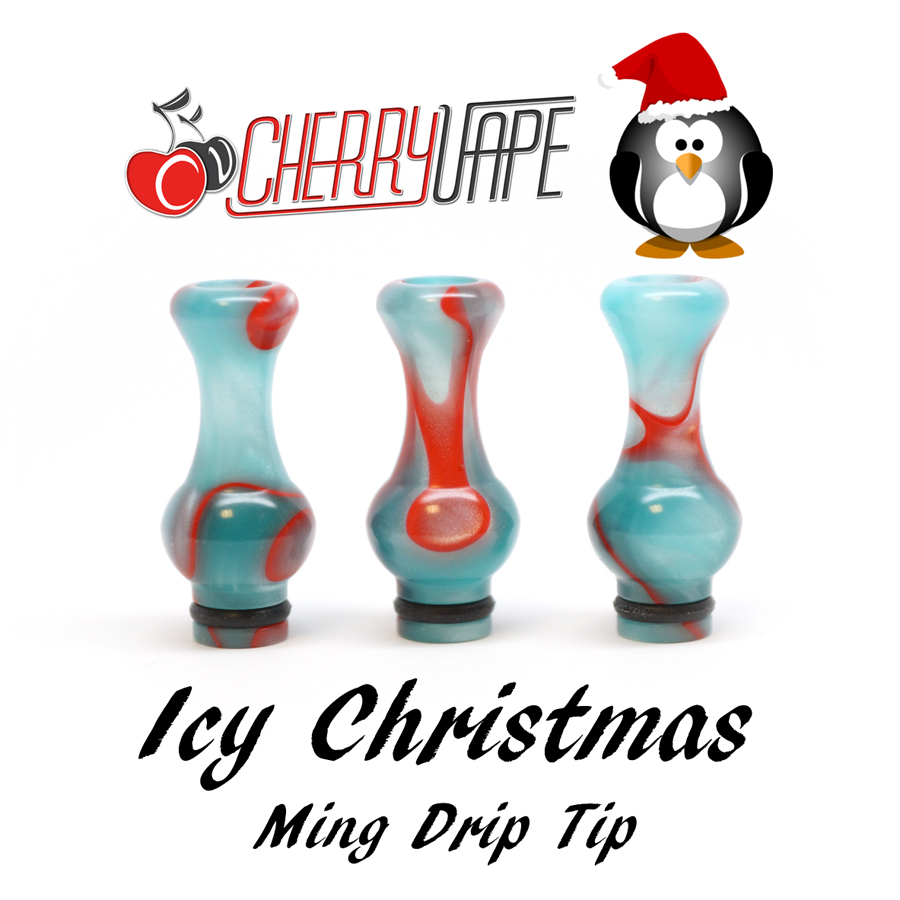
Each week I will showcase with a pic each and every one of 35 tips that I have acquired as I think these are some of the most beautiful tips I have seen in a long time. I have always been a fan of the venerable “Ming” style tips and these are truly outstanding. The first Ming tips I acquired years ago circa 2012-2013 were made by Cheryl’s husband for their company CherryVape which sadly is no longer in business as far as I know. I believe CherryVape coined the name “Ming” as a style of the drip tip they made. It was of course a dynasty in China but it appears that this style was used in old Chinese smoking devices and also an ancient Asian pottery and glassware in the shape of a vase (see pics). Anyway, you get the idea.

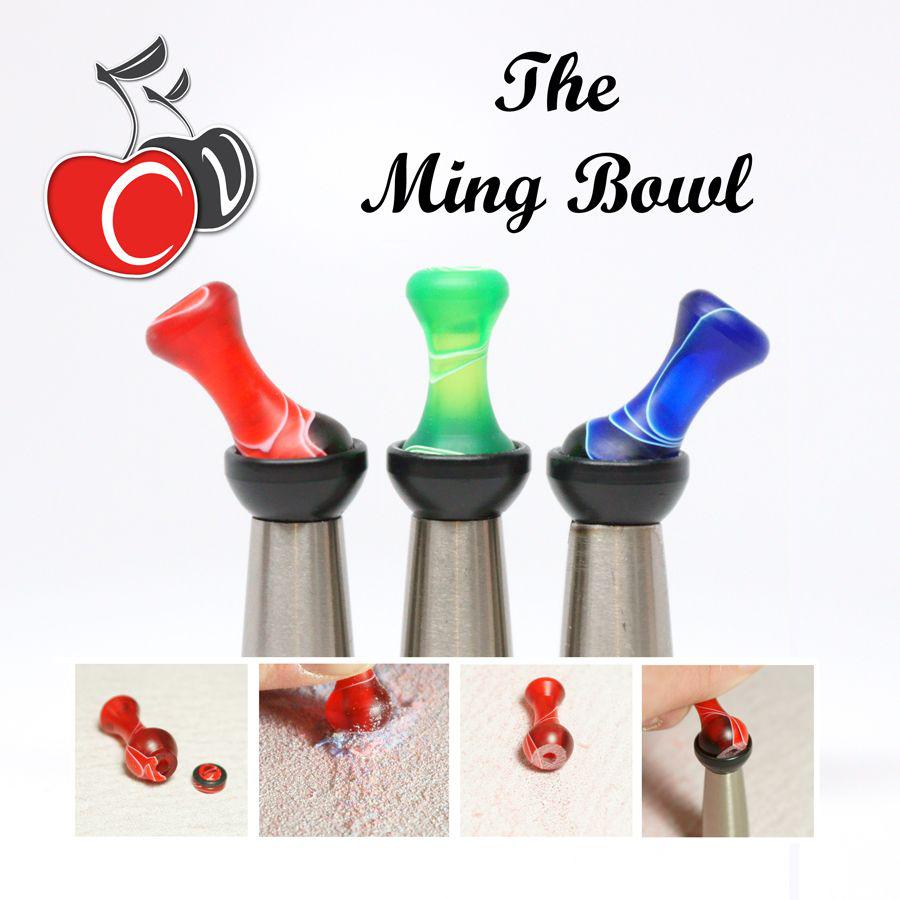
Each one of these drip tips are lined with a steel tube. Some drip tips are still made this way. I do prefer the exclusion of metal but on the other hand this makes them more durable over time. CherryVape Mings are solid acrylic. I have many broken Mings that have to be used with a CherryVape adapter made especially for broken stem Mings they called the “Ming Bowl” 🙂

Cheryl sold her Ming tips for $10 each and also did special designs for the holidays. It appears that Brett sold his tips for anywhere from $25 to $65 each. Today, you can still get Ming style tips for as low as $1 and even less in volume, from several companies on the web but they are just not as good as the originals.

Another company that hand crafted Ming style and others was Siam Mods. I never did get to purchase one of these beauties back in the day, so I dont know much about them. I know they were expensive including shipping from Asia but just somehow never acquired five or six that I wanted.

Matchy Matchy with a Pulse. This one measure 45mm tall.

Tobacco Flavor Ban in New Mexico?

HOUSE BILL 94

56th legislature – STATE OF NEW MEXICO – first session, 2023

INTRODUCED BY

Joanne J. Ferrary

AN ACT

RELATING TO TOBACCO PRODUCTS; PROHIBITING THE SALE OF FLAVORED TOBACCO PRODUCTS; DEFINING TERMS; CONFORMING CERTAIN NOTICE REQUIREMENTS.

BE IT ENACTED BY THE LEGISLATURE OF THE STATE OF NEW MEXICO:

     SECTION 1. Section 61-37-2 NMSA 1978 (being Laws 2020, Chapter 46, Section 2) is amended to read:

     “61-37-2. DEFINITIONS. As used in the Tobacco Products Act:

          A. “characterizing flavor” means a distinguishable taste or aroma or both, other than the taste or aroma of tobacco, imparted by a tobacco product or any byproduct produced by the tobacco product. A tobacco product shall not be determined to have a characterizing flavor solely because of the use of additives or flavorings or the provision of ingredient information;

          [A.] B. “child-resistant packaging” means packaging or a container that is designed or constructed to be significantly difficult for children under five years of age to open or obtain a toxic or harmful amount of the substance contained therein within a reasonable time and not difficult for a normal adult to use properly, but does not mean packaging or a container that all such children cannot open or obtain a toxic or harmful amount within a reasonable time;

          [B.] C. “contraband tobacco products” means any tobacco products possessed, sold, bartered or given in violation of the Tobacco Products Act;

          [C.] D. “delivery sale” means a sale of tobacco products to a consumer in New Mexico in which:

                (1) the consumer submits an order for the sale by telephone, over the internet or through the mail or another delivery system; and

                (2) the tobacco product is shipped through a delivery service;

          [D.] E. “delivery service” means a person, including the United States postal service, that is engaged in the delivery of letters, packages or containers;

          [E.] F. “director” means the director of the alcoholic beverage control division of the regulation and licensing department;

          [F.] G. “distribute” means to purchase and store a product and to offer the product for resale to retailers or consumers;

          [G.] H. “distributor” means a person that distributes tobacco products in New Mexico, but does not include:

                (1) a retailer;

                (2) a manufacturer; or

                (3) a common or contract carrier;

          [H.] I. “division” means the alcoholic beverage control division of the regulation and licensing department;

          [I.] J. “e-cigarette”:

                (1) means any electronic oral device, whether composed of a heating element and battery or an electronic circuit, that provides a vapor of nicotine or any other substances the use or inhalation of which simulates smoking; and

                (2) includes any such device, or any part thereof, whether manufactured, distributed, marketed or sold as an e-cigarette, e-cigar, e-pipe or any other product, name or descriptor; but

                (3) does not include any product regulated as a drug or device by the United States food and drug administration under the Federal Food, Drug, and Cosmetic Act, 21 U.S.C. Section 301 et seq.;

          [J.] K. “electronic nicotine delivery system” means an electronic device, including e-cigarettes, whether composed of a heating element and battery or an electronic circuit, that provides a vapor or aerosol of nicotine, the use or inhalation of which simulates smoking;

          L. “flavored tobacco product” means any tobacco

product that contains any ingredient, substance, chemical or compound, other than tobacco, water or reconstituted tobacco sheet that is added by the manufacturer to a tobacco product during the processing, manufacture or packing of a tobacco product, that imparts a characterizing flavor;

          [K.] M. “knowingly attractive to minors” means packaging or labeling that contains:

                (1) a cartoon-like character that mimics characters primarily aimed at entertaining minors;

                (2) an imitation or mimicry of trademarks or trade dress of products that are or have been primarily marketed toward minors; or

                (3) a symbol or celebrity image that is primarily used to market products to minors;

          [L.] N. “licensee” means a holder of a license issued by the division pursuant to the Tobacco Products Act;

          [M.] O. “manufacturer” means a person that manufactures, fabricates, assembles, processes or labels tobacco products or imports from outside the United States, directly or indirectly, a tobacco product for sale or distribution in the United States;

          [N.] P. “minor” means an individual who is younger than twenty-one years of age;

          [O.] Q. “nicotine liquid” means a liquid or other substance containing nicotine where the liquid or substance is sold, marketed or intended for use in an electronic nicotine delivery system;

          [P.] R. “person” means an individual, corporation, firm, partnership, co-partnership, association or other legal entity;

          [Q.] S. “retailer” means a person, whether located within or outside of New Mexico, that sells tobacco products at retail to a consumer in New Mexico; provided that the sale is not for resale;

          [R.] T. “self-service display” means a display to which the public has access without the assistance of a retailer or the retailer’s employee; and

          [S.] U. “tobacco product” means a product made or derived from tobacco or nicotine that is intended for human consumption, whether smoked, chewed, absorbed, dissolved, inhaled, snorted, sniffed or ingested by any other means, including cigars, cigarettes, chewing tobacco, pipe tobacco, snuff, e-cigarettes or electronic nicotine delivery systems.”

     SECTION 2. Section 61-37-3 NMSA 1978 (being Laws 2020, Chapter 46, Section 3) is amended to read:

     “61-37-3. PROHIBITED SALES–MANUFACTURING–LABELING–MARKETING–SAFETY REQUIREMENTS.

          A. A person shall not knowingly, intentionally or negligently sell, offer to sell, barter or give a tobacco product to a minor.

          B. A person or a licensee shall not knowingly, intentionally or negligently sell, offer to sell, barter or give a flavored tobacco product.

          [B.] C. A licensee shall not sell, offer to sell or deliver a tobacco product in a form other than an original manufacturer-sealed package, except for individually sold cigars or loose-leaf pipe tobacco.

          [C.] D. A licensee shall not sell, offer to sell or deliver nicotine liquid in this state unless such liquid is in child-resistant packaging, except that for the purpose of this subsection, “nicotine liquid” does not include nicotine liquid in a cartridge that is pre-filled and sealed by the manufacturer and that is not intended to be opened by the consumer.

          [D.] E. A manufacturer shall not produce and a distributor or retailer shall not sell tobacco products that are knowingly attractive to minors.”

     SECTION 3. Section 61-37-15 NMSA 1978 (being Laws 2020, Chapter 46, Section 15) is amended to read:

     “61-37-15. VENDING MACHINES–RESTRICTIONS ON SALES OF TOBACCO PRODUCTS.

          A. Except as provided in Subsections B and C of this section, a retailer selling goods at a retail location in New Mexico shall not use a self-service display for tobacco products.

          B. Tobacco products may be sold by vending machines only:

                (1) in age-controlled locations where minors are not permitted; and

                (2) if the tobacco products are not flavored tobacco products.

          C. The sales and display of cigars may be allowed only:

                (1) in age-controlled locations where minors are not permitted; and

                (2) if the cigars are not flavored tobacco products.”

     SECTION 4. Section 61-37-17 NMSA 1978 (being Laws 2020, Chapter 46, Section 17) is amended to read:

     “61-37-17. SIGNS–POINT OF SALE. A retailer shall prominently display in the place where tobacco products are sold and where a tobacco product vending machine is located [a] printed [sign] signs or [decal] decals that [reads] read as follows:

          A. “IT IS ILLEGAL FOR A PERSON UNDER 21 YEARS OF AGE TO PURCHASE TOBACCO PRODUCTS.”; and

          B. “IT IS ILLEGAL TO SELL FLAVORED TOBACCO PRODUCTS”.